Getting Ready
Before Your First Session
A few things to think about and prepare before your first coaching call. Nothing complicated. Just useful context that makes the first session more productive.
Starting Point
Where You Are Is Fine
There's no required skill level for this program. It's designed for people who want to cook more consistently at home, not for people who already have an established kitchen practice.
The intake form before Session 1 covers your current habits honestly. If you rarely cook, that's useful information. If you cook a few nights a week but struggle to make it feel sustainable, that's also useful. The program adapts to what's actually true, not an idealized version of where you'd like to be.
Come to the first session with honest answers to the intake questions. That's the most important preparation.
Practical Preparation
What to Have Ready Before Session 1
Your Kitchen Setup
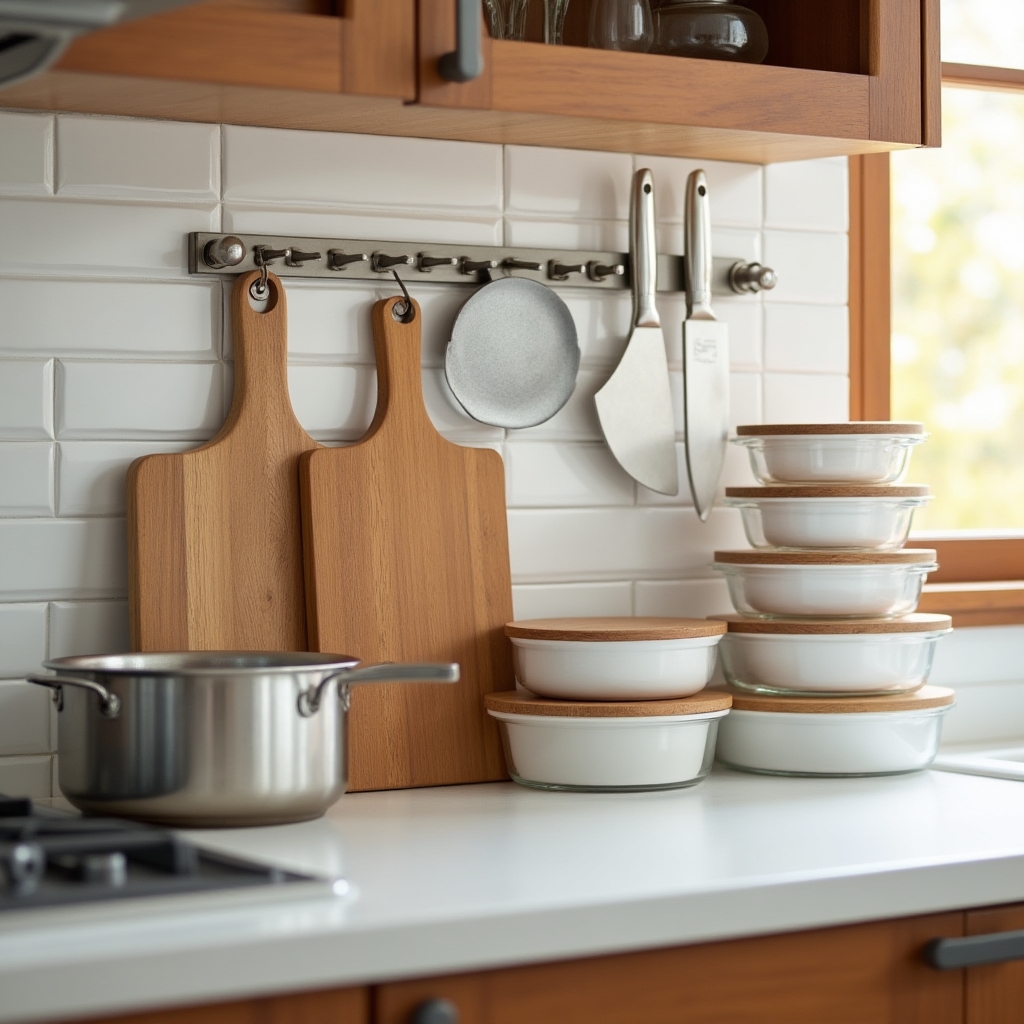
Think through what equipment you have. You don't need anything specialized, but it helps to know what you're working with. A sheet pan, a large pot, a skillet, and basic knife skills cover most of what the Sunday prep system requires.
Your Weekly Schedule
The program is built around your actual week, not a generic template. Before the first session, it helps to think honestly about when you have time to cook and when you don't.
Food Preferences and Restrictions
The intake form covers this in detail, but it helps to think about it before you sit down to fill it out. Dietary restrictions, strong preferences, and foods you genuinely dislike all shape what the program looks like for you.
First Session
What the First Call Looks Like
Reviewing Your Intake
The first part of the session reviews your intake responses. This is a chance to clarify anything that wasn't clear in writing and add context that didn't fit in the form.
Mapping the Week
Together, you'll map out your actual week. Which days need food ready to go. Which evenings you have some flexibility. What a realistic Sunday prep window looks like.
Setting the Framework
By the end of Session 1, you'll have a clear initial framework for your prep routine. Not a finalized system, but a working starting point that gets refined in the sessions that follow.
Your First Assignment
Between Session 1 and Session 2, you'll do a practice run of the prep process. It won't be perfect. It's not supposed to be. The questions that come up during that first attempt are exactly what Session 2 is designed to address.
Common Questions
Things People Ask Before Starting
Do I need to be a good cook before starting?
No. The program is designed for people who want to cook more consistently, not for people with existing strong kitchen skills. The intake process establishes where you are and the coaching adapts from there.
What if I can't make Sunday work as my prep day?
Sunday is the most common prep day for practical reasons, but the system works on any day that fits your schedule. The program is built around your week, not a fixed template.
How long does the full program take?
The four sessions are typically spread over four to six weeks. The spacing between sessions allows time for practice and reflection before the next call.
What equipment do I need?
A standard home kitchen setup is sufficient. Sheet pans, a large pot, a skillet, and airtight storage containers cover the basics. No specialty equipment is required.
Is this program suitable for specific diets?
The system adapts to a wide range of dietary approaches. The intake process covers your specific preferences and restrictions, and the program is built around them from the start.